from 0 review
4 Hours
Daily Tour
100 people
Arabic, English, Hindi
Dubai, a vibrant and dynamic city on the southeast coast of the Persian Gulf, offers a unique and immersive tour experience that combines traditional culture with modern technology. The Dubai Heritage Tour aims to explore the city’s rich cultural heritage and traditional way of life, preserving its unique identity and deep-rooted cultural heritage. The tour begins with a stop at the Al Fahidi Historical Neighborhood, where visitors can explore its winding alleyways and narrow streets. The Dubai Museum, housed in a 200-year-old fort, provides further insight into the city’s history and culture.
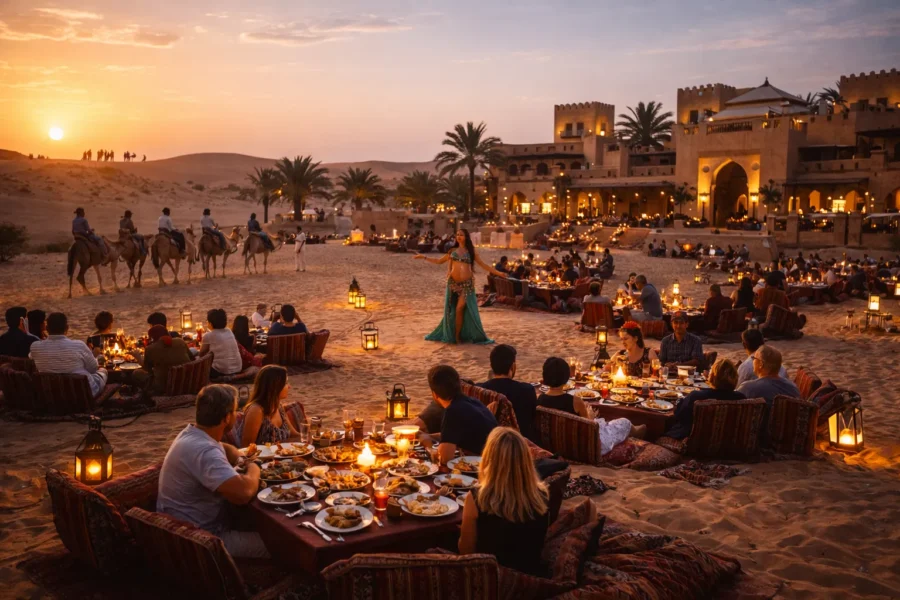
Next, the tour proceeds to Dubai Creek or Dubai Desert Safari, which played a crucial role in the city’s development as a trading port. Visitors can take a traditional abra (water taxi) across the creek to the spice and gold souks, where they can experience the vibrant colors, sounds, and smells of traditional marketplaces. The Jumeirah Mosque, one of the few mosques in Dubai open to non-Muslim visitors, offers a deeper understanding of Islamic culture and customs.
The tour also includes a sampling of traditional Emirati cuisine, including matchbooks, maqamat, and Arabic coffee. This experience allows visitors to taste the unique flavors and ingredients of Emirati cuisine and learn about the cooking methods used in traditional Emirati households. Overall, the Dubai Heritage Tour provides a unique and immersive experience that allows visitors to appreciate the past while appreciating the present and appreciate the intersection of tradition and modernity in this fascinating city.
The Al Fahidi Historical Neighborhood is one of the oldest and most picturesque parts of Dubai. The area is renowned for its distinctive architecture, which features traditional buildings with wind towers and narrow alleyways. Wind towers are traditional structures that use natural ventilation to cool buildings, making them a common feature of architecture in the hot and arid climate of the Arabian Peninsula. The neighborhood’s narrow alleyways are designed to provide shade and keep the streets cool.
The history of the Al Fahidi Historical Neighborhood dates back to the early 1900s when it was established as a regional trading hub. The neighborhood was strategically located near Dubai Creek, a vital transportation and trade route for goods and people. The neighborhood’s central location made it an important hub for trade, and it quickly became a melting pot of different cultures and nationalities.
Today, the neighborhood has been transformed into a cultural and tourist attraction, with many of the traditional buildings restored and converted into museums, art galleries, and cultural centers. One of the top tourist destinations in the neighborhood is the Dubai Museum, which is housed in a 200-year-old fort. The museum offers visitors a fascinating insight into the history and culture of Dubai, with exhibits that showcase the city’s traditional crafts, customs, and way of life.
Visitors to the Al Fahidi Historical Neighborhood can explore the winding alleyways and narrow streets of this historic district, admiring the unique architecture and soaking up the atmosphere of this traditional neighborhood. It is a must-visit destination for anyone interested in the history and culture of Dubai.
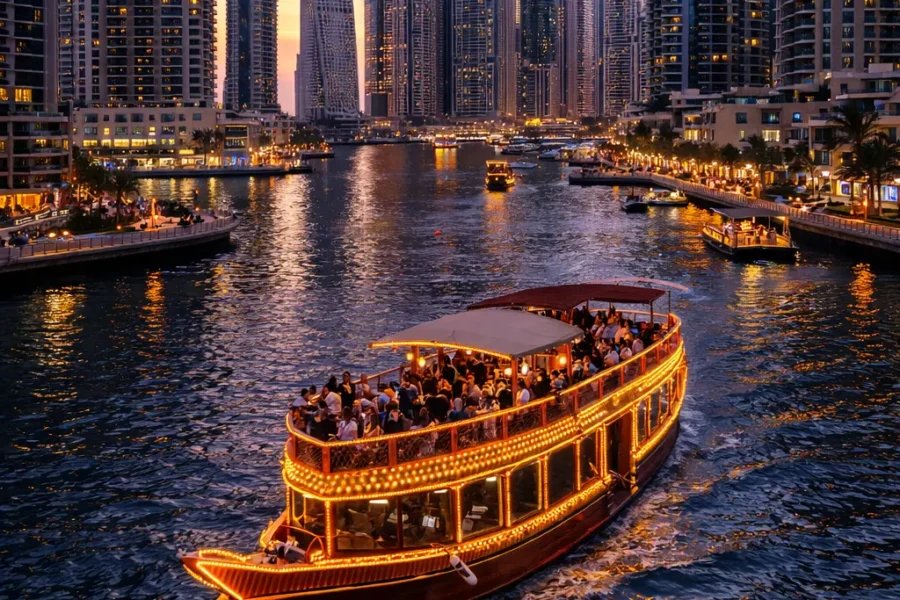
Dubai Creek has played a crucial role in the history and development of Dubai as a trading port. For centuries, the creek was a vital transportation and trade route for goods and people, connecting Dubai to other parts of the region and beyond. The dhow cruise creek Dubai was also an important source of livelihood for the people of Dubai, with many traditional activities, such as fishing and pearl diving taking place on its shores.
Today, visitors to Dubai can experience the rich history of the creek by taking a traditional abra (water taxi) across the water. Abras have been used as a form of transportation in Dubai for centuries. They are an iconic symbol of the city’s heritage. The short ride across the creek provides a glimpse into the city’s past. It offers visitors a unique perspective on the bustling cityscape.
Once on the other side of the creek, visitors can explore the spice and gold souks, which are located in the historical Deira district. The souks are a vibrant marketplace filled with the sights, sounds, and smells of traditional Arabian culture. The spice souk is filled with stalls selling a wide variety of exotic spices and herbs. In contrast, the gold souk is a haven for those seeking fine jewelry and precious metals.
Exploring the souks provides an opportunity to learn about the city’s traditional trade routes, which have been in place for centuries. Visitors can see the goods being traded and learn about the cultures and customs of the people who have been trading in the area for generations.
The Dubai Creek is a must-visit destination for anyone interested in the history and culture of Dubai. The creek offers a glimpse into the city’s past, and the souks provide a fascinating insight into the traditional trade routes that have shaped the region for centuries.
In conclusion, the Dubai Heritage Tour offers a unique opportunity to explore the city’s rich cultural heritage. The tour takes visitors to some of the most iconic historical landmarks, such as the Al Fahidi Historical Neighborhood, Dubai Creek, and Jumeirah Mosque. Participants can also sample traditional Emirati cuisine and learn about the customs and traditions of Islam.
Preserving Dubai’s cultural heritage is essential to maintaining the city’s unique identity and promoting cultural understanding and tolerance. Dubai’s blend of modern skyscrapers and historical landmarks is a testament to the city’s commitment to preserving its cultural heritage while embracing modernity.
Visitors are encouraged to explore more of Dubai’s historical landmarks and cultural attractions. The city is home to many other fascinating museums, mosques, and cultural sites that offer a glimpse into its diverse heritage. Whether you are interested in exploring the history of the region, learning about Islamic culture, or sampling traditional Emirati cuisine, Dubai has something to offer everyone.
Overall, the Dubai Heritage Tour is an unforgettable experience highlighting the importance of preserving cultural heritage and promoting cultural understanding. We hope that participants continue to explore and appreciate the rich cultural heritage of this fascinating city. Contact us for further details.
One of the most popular mosques in the world is the Jumeirah iconic landmark in Dubai and is also one of the few mosques in the city that is open to non-Muslim visitors. The mosque is a stunning example of Islamic architecture, with its white marble domes and minarets visible from miles around. Visitors to the mosque can take a guided tour that provides a fascinating insight into Islamic culture and customs. The tour is led by a knowledgeable guide who will explain the mosque's significance and its role in daily life for the Muslim community. Visitors will learn about the customs and traditions of Islam, including the five daily prayers and the importance of charity and community service. The Jumeirah Mosque is an important cultural landmark in Dubai, and visiting it provides a unique opportunity to learn about the city's diverse cultural heritage. The mosque's open-door policy is a testament to the city's commitment to promoting cultural understanding and tolerance. The guided tours are a great way to learn about the customs and traditions of Islam in a welcoming and inclusive environment. The Jumeirah Mosque is a must-visit destination for anyone interested in learning about the Islamic culture and customs that are an integral part of Dubai's heritage. The mosque's stunning architecture and welcoming atmosphere make it a truly unforgettable experience.
Emirati cuisine is a unique blend of flavors and influences from the Arabian Peninsula, Persia, and India. Visitors to Dubai can sample traditional Emirati dishes like matchbooks, a spiced rice dish served with meat, fish, or chicken. Luqaimat, sweet dumplings made with flour, yeast, and saffron, are a popular dessert. At the same time, Arabic coffee is a must-try beverage served with dates. Emirati cuisine is known for its bold flavors and use of aromatic spices, such as saffron, cinnamon, and cardamom. The cuisine is also heavily influenced by the local ingredients available in the desert climate, such as dates, camel meat, and seafood. Visitors can learn about the ingredients and cooking methods used in Emirati cuisine by visiting local restaurants and attending food festivals. Many restaurants offer traditional Emirati cuisine, and chefs are often happy to explain the dishes and answer any questions about the ingredients and cooking methods. Sampling Emirati cuisine is a must-do experience for anyone interested in exploring the diverse cultural heritage of Dubai. The bold flavors and unique ingredients of Emirati cuisine make it a truly unforgettable culinary experience.
The tour includes hotel pickup and drop-off, visits to Al Fahidi Historical Neighborhood, Dubai Creek, Dubai Museum, abra ride, Gold and Spice Souks, Jumeirah Mosque, and Heritage Village.
The Dubai Heritage Tour lasts approximately 4 hours, making it ideal for travelers who want a short but immersive cultural experience.
You’ll visit Al Fahidi Historical Neighborhood, Dubai Creek, Dubai Museum, Heritage Village, Spice Souk, Gold Souk, Jumeirah Mosque, and the Islamic Art Museum.
Yes, this tour is perfect for first-time visitors who want to learn about Dubai’s history, culture, and traditional lifestyle in a short time.
Yes, Jumeirah Mosque is open to non-Muslim visitors, and guided tours explain Islamic culture, traditions, and customs.
Comfortable clothing is recommended. Modest attire is required for mosque visits, covering shoulders and knees.

Member Since 2025






Leave a review